On Amanita Muscaria
Introduction
Amanita muscaria, commonly known as the fly agaric, has long been hailed the posterchild of mushrooms and is easily the most identifiable mushrooms known to general society. Characterised by its vibrant red cap with white spots, it holds a unique place in both the natural world and in human culture. The mushroom has been a subject of scientific research, folklore, and artistic representation for centuries. Amanita muscaria is toxic, containing psychoactive compounds that can cause significant physiological and psychological effects to a user. This report provides a detailed examination of Amanita muscaria, focusing on its biology, chemical composition, mycological characteristics, cultural significance, historical uses, and safety concerns. The goal is to offer a comprehensive understanding of this mushroom, considering both its potential benefits and risks.
Biological Overview of Amanita muscaria
Classification and Taxonomy
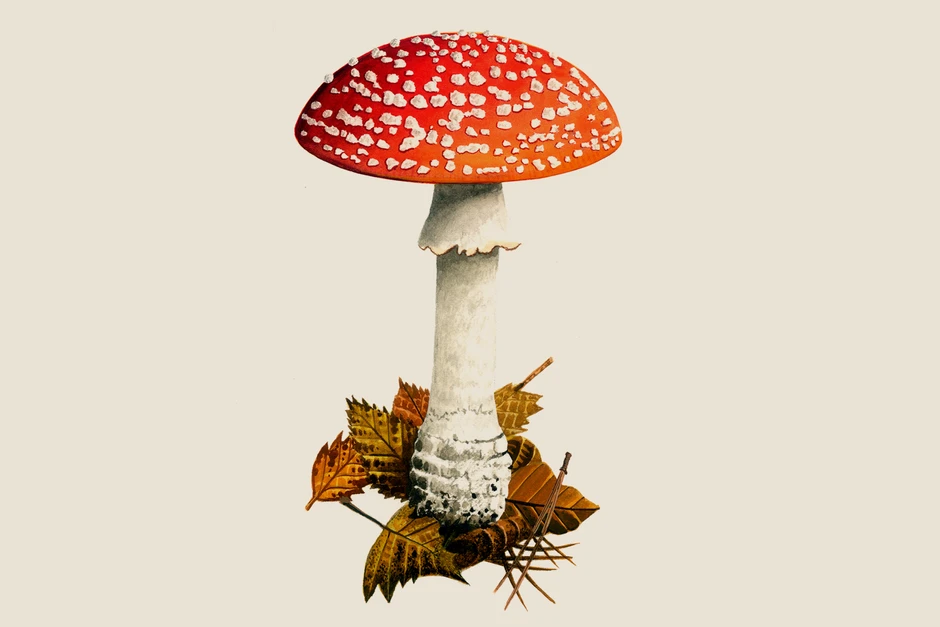
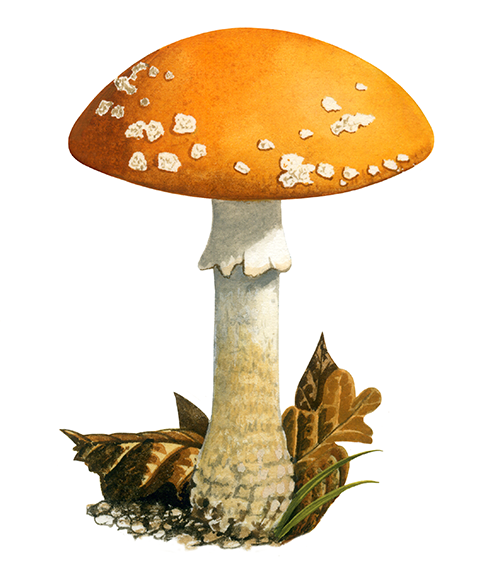
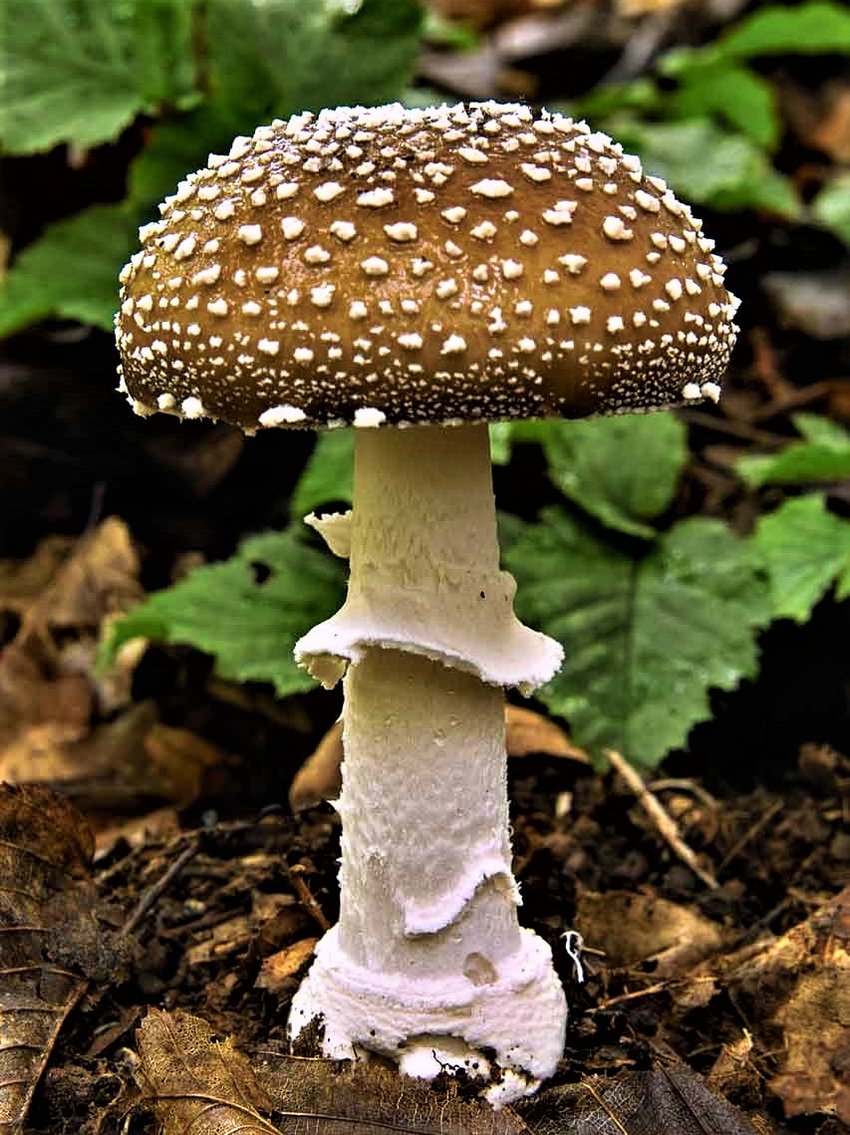
Amanita muscaria is a member of the Amanitaceae family, which includes several well-known mushroom species. It is classified within the order Agaricales and is part of the genus Amanita, which includes other notable species such as Amanita phalloides (death cap), Amanita bisporigera (destroying angel). Amanita muscaria is typically found in temperate and boreal forests across the Northern Hemisphere, including regions of North America, Europe, and Asia. It should also be noted that Amanita muscaria exhibits some variation in its appearance across different regions, with distinct forms that vary in color and characteristics. The most common form, Amanita muscaria var. muscaria, is characterized by a bright red cap with white warts or spots. However, there are other forms, such as Amanita muscaria var. formosa, which is found in Europe and Asia and has a yellow to orange-red cap instead of the typical red, with white spots that can vary slightly in size and distribution. Another rare form, Amanita muscaria var. alba, features a completely white cap, lacking the usual red coloration, and is often confused with other white Amanita species, such as Amanita virosa. Additionally, the Amanita pantherina form, often referred to as Amanita muscaria var. pantherina, has a darker cap with more scattered warts and is typically found in temperate regions. This form may also contain higher concentrations of ibotenic acid and muscimol, making it more toxic than the standard red-capped variety.
Morphology
The fruiting body of Amanita muscaria consists of three primary parts: the cap, the gills, and the stalk (or sometimes referred to as the stipe).
- Cap: The cap is the most recognisable part of the mushroom, typically 8 to 20 cm in diameter. It is initially rounded and becomes flatter with age. The cap's colour ranges from bright red to orange, dotted with white spots, which are remnants of the universal veil that covers the mushroom as it develops. These spots serve as one of the key identifying features.
- Stipe: The stalk is white, fibrous, and features a characteristic swollen base. It has a ring or annulus near the top, which is a remnant of the partial veil. The stipe is hollow inside and can reach heights of 15 to 30 cm.
- Gills: The gills are white, thin, and free from the stalk. As the mushroom matures, the gills release millions of spores into the air, which aids in reproduction.
- Volva: The volva is a cup-like structure at the base of the stipe, which is a remnant of the universal veil that originally enclosed the mushroom. It is not always visible, especially in mature mushrooms, but it is important for identification.
Growth and Development
Amanita muscaria grows symbiotically with trees, forming what is known as a mycorrhizal relationship in which the mushroom’s mycelium (the vegetative part of the fungus) connects to the roots of trees. This relationship allows the mushroom to absorb nutrients like nitrogen and phosphorus from the trees in exchange for sugars produced during imagesynthesis. The mushroom’s fruiting body develops from the mycelium, which spreads beneath the forest floor. When environmental conditions are favorable, typically during autumn and spring, the mushroom fruiting bodies emerge from the ground, mature, and release spores. The mycelium remains underground year-round, often growing in association with specific tree species, particularly conifers and birch trees.
Distribution and Habitat Preferences
Amanita muscaria is commonly found in the forests of the Northern Hemisphere, particularly in boreal forests, temperate woodlands, and alpine regions. It thrives in regions with a cool, moist climate and acidic soils, often appearing in areas with coniferous trees, birches, and pines. It is widespread across North America, Europe, and Asia, with various regional forms, including a few that feature slightly different cap colors or warts.
Chemistry and Psychoactive Compounds
Chemical Composition
The primary psychoactive compounds in Amanita muscaria are muscimol and ibotenic acid. These compounds affect the central nervous system, leading to the characteristic hallucinogenic and intoxicating effects associated with the consumption of this mushroom.
- Muscimol: Muscimol is the main psychoactive compound, responsible for the sedative and hallucinogenic effects of the mushroom. It acts as a GABA-A receptor agonist, enhancing the effects of the neurotransmitter GABA, which inhibits neural activity. This results in a calming, sedative effect, often accompanied by altered perception, euphoria, and distorted sensory experiences, much like the feelings of relaxation and disorientation people may experience with alcohol consumption.
- Ibotenic acid: Ibotenic acid is a neurotoxin and a precursor to muscimol. While it can cause stimulation and excitement in the central nervous system, it is also responsible for the nausea, vomiting, and confusion that often accompany mushroom ingestion. Upon heating or drying, ibotenic acid is decarboxylated into muscimol, which significantly reduces toxicity.
Environmental Influence on Chemical Composition
The concentration of muscimol and ibotenic acid in Amanita muscaria can vary greatly depending on environmental factors such as climate, soil composition, and the type of tree species with which the mushroom forms its mycorrhizal relationship. Research has shown that mushrooms from different regions and ecosystems may contain different ratios of these compounds, affecting both their toxicity and potency.
Common Misconception
It is important to note that the psychoactive compounds in Amanita muscaria, muscimol and ibotenic acid, are distinct from the compounds found in other hallucinogenic mushrooms, such as psilocybin and psilocin. While both Amanita muscaria and psilocybin-containing mushrooms can induce altered states of consciousness, they do so through different mechanisms. Psilocybin and its active form, psilocin, primarily affect serotonin receptors in the brain, leading to visual hallucinations, changes in thought processes, and emotional shifts. In contrast, muscimol acts as a GABA-A receptor agonist, producing sedative and hallucinogenic effects through the inhibition of neural activity, which can result in altered perception and euphoria, but often with a more dissociative and sedative quality. Therefore, while both types of mushrooms are classified as hallucinogens, their chemical composition and the nature of the experiences they induce are quite different. I plan, in a later article, to explain the mechanisms involved in psychedelics and link it to the mystical experiences that they so often distil in one.
Mycology of Amanita muscaria
Taxonomy and Identification
Amanita muscaria is classified in the order Agaricales, which includes many familiar gilled mushrooms. The genus Amanita contains several species, some of which are highly toxic, such as Amanita phalloides (the death cap). The fly agaric is easily identifiable due to its bright red cap with white spots, white gills, and distinctive ring on the stipe. Accurate identification is essential, as Amanita muscaria is often confused with other toxic Amanita species, such as Amanita pantherina (the Panther cap).
Mycorrhizal Relationship and Ecological Role
Amanita muscaria is a mycorrhizal fungus, meaning it forms a symbiotic relationship with the roots of trees. This relationship is beneficial to both parties: the fungus receives carbohydrates from the trees, while the trees benefit from the nutrients (such as nitrogen and phosphorus) provided by the fungus. This mutually beneficial relationship is essential for the mushroom's growth and development. Amanita muscaria relies on its mycorrhizal relationship with trees because it cannot independently produce certain essential nutrients, such as nitrogen and phosphorus, which are critical for its growth. The fungus obtains these nutrients from the soil and passes them to the trees in exchange for carbohydrates. In turn, the trees rely on the fungus to enhance their access to these nutrients, which they cannot readily absorb from the soil themselves. This symbiotic relationship is vital for both the mushroom's survival and the health of the trees. In forest ecosystems, Amanita muscaria plays a key role in nutrient cycling. By breaking down organic material in the soil and exchanging nutrients with trees, it contributes to the overall health of the forest ecosystem.
Cultural and Historical Significance
Ancient and Indigenous Use
Amanita muscaria has a long history of use in shamanic and religious rituals, particularly among indigenous peoples of Siberia. Shamans would consume the mushroom to enter altered states of consciousness, which were believed to facilitate communication with spirits or divine beings. In some cases, the mushroom was used in ceremonial rituals during which shamans would drink urine from individuals who had consumed the mushroom, as the active compounds would pass through the body and could be re-ingested for further effects.
Mythological and Folkloric Associations
In many cultures, Amanita muscaria is associated with magical or supernatural themes. In European folklore, it was often linked to fairies, elves, and other mythical creatures. Its striking appearance and hallucinogenic properties made it a symbol of the mystical and otherworldly. In Norse mythology, Amanita muscaria may have been used by the berserkers, warrior shamans who were said to possess magical powers, entering states of ecstasy and rage during battle. The mushroom’s use in ritual may have contributed to the association between the fly agaric and spiritual or shamanic practices.
The Connection to Santa Claus
The fly agaric mushroom is often associated with the figure of Santa Claus. The red and white colours of the mushroom’s cap are strikingly similar to Santa’s traditional outfit. Moreover, in some versions of European folklore, reindeer were said to consume the mushroom, which may have contributed to the modern imagery of Santa’s reindeer flying. The connection between Amanita muscaria and Christmas rituals may be rooted in ancient shamanic practices, where shamans would deliver gifts to villages while under the influence of the mushroom.
Toxicity and Medicinal Use
Toxicological Effects
Despite its cultural significance, Amanita muscaria is toxic, and its consumption can lead to a range of adverse effects. These include nausea, vomiting, diarrhoea, dizziness, and in more severe cases, delirium, seizures, and even death. The symptoms are caused by the presence of ibotenic acid and muscimol, which affect the central nervous system. The toxicity of the mushroom is dose-dependent, and the severity of symptoms varies depending on the individual’s health, the preparation of the mushroom, and the amount consumed.
Medicinal Potential
Recent research has explored the potential medicinal uses of Amanita muscaria. Muscimol, the primary psychoactive compound, has shown promise in neurological studies, particularly in its ability to act on GABA receptors. There is some evidence to suggest that muscimol may have applications in treating conditions such as insomnia, anxiety, and even certain types of seizures. However, due to the unpredictable nature of the mushroom’s toxicity and the difficulty in controlling the dosage, its use as a medicinal compound remains controversial and is not widely recommended.
Ethnobotany and Modern Applications
Contemporary Use and Research
In modern times, Amanita muscaria has found a niche in certain subcultures that embrace psychoactive substances for exploration of consciousness. Its use in these circles often involves the preparation of the mushroom through drying or cooking to reduce toxicity. Research into its pharmacology continues, with some studies examining the potential therapeutic uses of muscimol in conditions related to neurodegeneration and mental health.
Environmental Concerns
While Amanita muscaria is not endangered, the overharvesting of wild mushrooms can have a negative impact on local ecosystems. The commercial sale of mushrooms and the increasing interest in psychedelic substances have led to concerns about the sustainability of wild harvesting practices. Ensuring sustainable practices and research into the environmental impact of mushroom foraging are important for preserving this fascinating species.
Ethical and Legal Considerations
Legal Status
In the UK, Amanita muscaria is not specifically classified as a controlled substance, meaning it is not illegal to possess, sell, or consume the mushroom itself. However, its psychoactive effects, due to the presence of muscimol and ibotenic acid, may bring it under scrutiny in certain contexts, especially if it is used for the purpose of inducing hallucinations or altered states of consciousness. The UK's legal framework focuses on substances that are explicitly harmful or are controlled due to their psychoactive effects, such as psilocybin mushrooms, which are illegal. While Amanita muscaria is not regulated in the same way, individuals should still exercise caution and be aware that the use of psychoactive substances may attract attention or legal implications, particularly in public or for commercial purposes. It is always advisable to check the most current regulations or consult legal advice for clarification in any specific case.
Safety and Ethics
The consumption of Amanita muscaria poses significant risks, and individuals should exercise caution when considering its use. Its unpredictable effects, combined with the potential for poisoning, mean that responsible use and education are paramount. Ethically, the debate around using psychoactive substances such as Amanita muscaria revolves around the balance between spiritual or personal growth and the potential health risks.
Conclusion
Amanita muscaria is a unique and culturally significant mushroom with a rich history and a complex biological and chemical makeup. While it has been used for thousands of years in various spiritual and cultural contexts, its toxicity and unpredictable effects make it a subject of caution and intrigue. Future research into its medicinal potential, environmental impact, and cultural significance will continue to deepen our understanding of this remarkable species. Despite its potential for harm, Amanita muscaria remains a fascinating and important part of both the natural world and human culture.
Discussion